Twelve Minutes on the Clock: A Strategic Playbook for the Modern Primary Care Visit

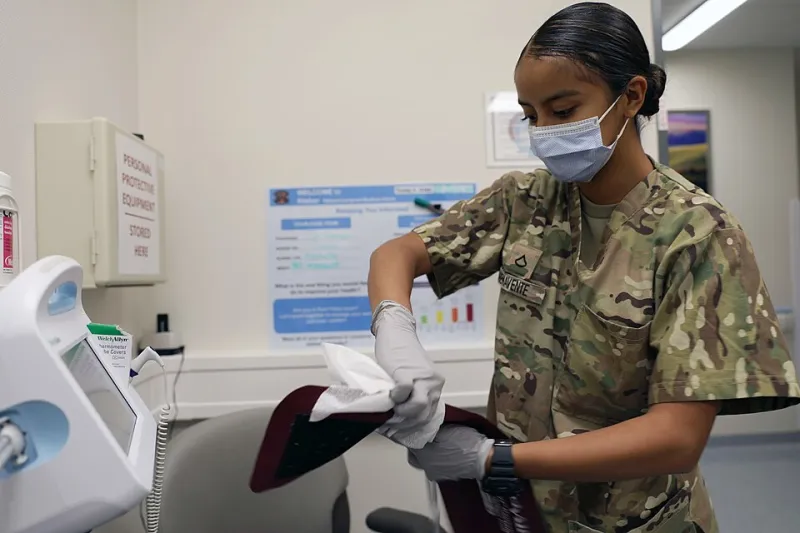
Photo: Courtesy of NIAID Ryan Kissinger, Public domain, via Wikimedia Commons
The clock starts the moment your physician sits down. According to widely cited research published in the Annals of Internal Medicine, the average primary care visit in the United States lasts roughly 18 minutes, with some estimates suggesting the actual face-to-face conversation about your concerns may be closer to a dozen. For patients managing multiple conditions, a new symptom, or a stack of questions written on the notes app, that window can feel impossibly small.
It doesn't have to be. Physicians interviewed for this article agreed on one thing: the patients who get the most out of short visits are rarely the ones who talk the fastest. They're the ones who prepare strategically.
Why Visits Keep Shrinking
The forces compressing your appointment are structural, not personal. Fee-for-service reimbursement rewards volume. Administrative burden—prior authorizations, documentation requirements, inbox messages—consumes hours of physician time outside the exam room. A 2023 survey by the Physicians Foundation found that many primary care doctors spend more time on paperwork than on patient care.
"I want to give every patient thirty minutes," one family medicine physician in Ohio told us. "The system gives me fifteen, minus the time I spend typing. The patients who help me work efficiently get better care. That's just the honest truth."
Understanding this reality isn't about accepting less—it's about working within it more effectively.
Before You Arrive: The Five-Minute Prep That Changes Everything
Effective preparation begins days before your appointment, not in the waiting room.
Write down your top three concerns, ranked. Physicians consistently report that the "doorknob moment"—when a patient saves their most serious concern for the last ten seconds—is one of the biggest obstacles to efficient care. If you have chest discomfort, lead with it. Your rash can wait for a follow-up if needed.
Bring a written timeline. Instead of saying "I've been tired for a while," arrive with specifics: when it started, what makes it better or worse, what you've already tried. A one-page summary of symptoms, dates, and relevant family history lets your physician skip twenty minutes of detective work.
Update your medication list. Photograph every bottle you take, including supplements and over-the-counter drugs, or bring the bottles themselves. Medication reconciliation is one of the most time-consuming parts of any visit when the information is incomplete.
Know your numbers. Recent blood pressure readings, blood sugar logs, or weight trends from home monitoring give your provider objective data rather than impressions.
The First Question Matters More Than the Last
Communication researchers at the University of Rochester have long studied how the opening moments of a medical visit shape everything that follows. Their findings: patients who state their concerns clearly at the outset—without being cut off—typically take less than thirty seconds to do so, yet physicians interrupt on average within eleven seconds.
The remedy is a polite but firm opening statement. Something like: "I have three things I want to make sure we cover today: this new pain in my knee, a question about my blood pressure medication, and whether I'm due for any screenings. Can we start with the knee?"
This framing does three things at once. It signals that you're organized, it invites your physician to help triage, and it prevents the doorknob surprise that derails so many visits.
What Doctors Wish You'd Ask
When we asked physicians what questions genuinely help them deliver faster, better care, their answers were refreshingly consistent.
- "What's the most likely explanation, and what else could it be?" This invites a differential diagnosis conversation rather than a vague reassurance.
- "What should make me call you, and what should send me to the ER?" Clear safety-netting prevents both unnecessary emergency visits and dangerous delays.
- "What would we do if this treatment doesn't work?" Thinking one step ahead saves a follow-up appointment.
- "Is there anything I can read or access to understand this better?" Directing you to reliable resources extends the visit beyond the exam room.
One internist put it plainly: "Patients who ask me what to watch for at home are the ones I can manage confidently in twelve minutes. Patients who leave confused call the office five times—and still don't get answers as good as the ones we could have covered together."
Advocating Without Antagonizing
There's a line between assertive self-advocacy and a strained relationship with your provider. The difference, physicians say, is tone and framing.
Instead of "I read online that I need an MRI," try "I've been reading about this condition—can you help me understand whether imaging would change your treatment plan?" The first positions you as an adversary; the second positions you as a partner who did homework.
If you feel rushed, say so directly but kindly: "I know you're running behind. I want to make sure I understand the plan—can we take two minutes to review it?" Most physicians will happily trade two minutes for the certainty that their instructions landed.
And if your concerns are genuinely dismissed—particularly for pain, neurological symptoms, or conditions that disproportionately affect women and patients of color—document it. Request that your visit notes reflect your symptoms and your questions. A patient portal message summarizing the conversation creates a record and, often, a more considered written response.
When Twelve Minutes Isn't Enough
Sometimes, no amount of preparation compensates for a visit that's simply too short for the problem at hand. In those cases, ask the front desk staff—the practice's most underused resource—whether a longer appointment slot exists for complex visits. Many practices reserve extended slots for new problems, multiple concerns, or annual wellness visits.
You can also ask whether a nurse practitioner or physician assistant on the team can address part of your list, reserving the physician's time for the issues that require their judgment. Team-based care isn't a downgrade; it's often how complex problems get thorough attention.
The Bottom Line
The shrinking appointment is a real constraint of American primary care, and patients didn't create it. But within that constraint, preparation is power. A ranked list of concerns, a clear timeline, a medication inventory, and a well-chosen opening question can transform a rushed visit from a source of frustration into a genuinely productive exchange.
Your physician has twelve minutes. What you do with the five days before can make them feel like thirty.