Green Does Not Mean Safe: The Truth Behind 'Natural' Health Products and the Regulatory Gaps That Put You at Risk
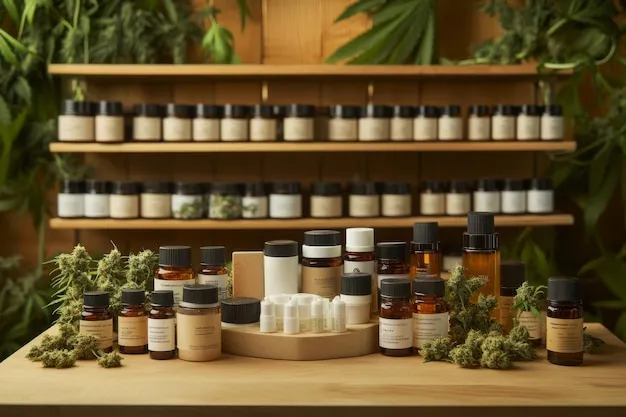
Photo: herbal supplement bottles natural plant products pharmacy shelf, via img.freepik.com
Walk down the supplement aisle of any American pharmacy, and you will encounter a parade of amber bottles adorned with leaves, roots, and earthy color palettes. The implicit message is consistent: this came from nature, therefore it is good for you. It is one of the most effective pieces of passive marketing in the consumer health space—and one of the most medically misleading.
The assumption that a plant-derived or "all-natural" product is inherently safe is not merely an oversimplification. In a number of well-documented cases, it has been a dangerous one. For patients who want to make genuinely informed decisions about what they put into their bodies, understanding the regulatory reality behind natural health products is not optional—it is essential.
What the FDA Does and Does Not Require From Supplement Manufacturers
Many Americans assume that if a product is sold on a store shelf, a federal agency has verified it is safe and effective. For prescription drugs, that assumption is broadly correct. For dietary supplements—the category that encompasses the vast majority of herbal and plant-based products—it is not.
Under the Dietary Supplement Health and Education Act of 1994 (DSHEA), dietary supplements occupy a regulatory space that is fundamentally different from pharmaceutical drugs. Manufacturers are not required to demonstrate that their products are safe or effective before bringing them to market. The burden is effectively reversed: the FDA must prove that a product poses a significant risk after it is already in consumers' hands before taking action to remove it.
Manufacturers are required to follow Good Manufacturing Practices (GMPs), ensure their labeling is not false or misleading, and notify the FDA when introducing a new dietary ingredient. However, independent testing has repeatedly shown that GMP compliance is inconsistent across the industry, and label accuracy—including what a product actually contains versus what it claims to contain—remains an ongoing concern documented by third-party organizations such as ConsumerLab and NSF International.
In short: the word "natural" on a label reflects a marketing choice, not a regulatory certification.
When Plants Cause Serious Harm: Real-World Examples
The historical and clinical record contains numerous examples of plant-derived compounds that caused significant harm despite their wholesome reputations.
Kava (Piper methysticum): Widely marketed in the United States for anxiety relief and relaxation, kava has been associated with severe hepatotoxicity—liver damage that in some cases has required transplantation. The FDA issued a consumer advisory on kava-associated liver injury as early as 2002. Despite this, kava-containing products remain available in stores and online, often marketed with language emphasizing their Polynesian cultural heritage and natural origins.
Comfrey (Symphytum officinale): Once a popular remedy for bruises and joint pain, comfrey contains pyrrolizidine alkaloids—compounds now understood to cause veno-occlusive liver disease with repeated exposure. The FDA has advised against any internal use of comfrey-containing products, yet topical formulations continue to be sold with minimal consumer-facing safety warnings.
Ephedra (Ma Huang): Before the FDA banned the sale of ephedra-containing dietary supplements in 2004—following thousands of adverse event reports and multiple deaths—products containing this stimulant herb were sold as weight loss and athletic performance aids with packaging that emphasized their natural, traditional origins. The ban itself was the result of years of documented harm, not premarket safety review.
High-dose green tea extract: Sold in concentrated supplement form for weight loss, high-dose green tea extract has been linked to acute liver injury in otherwise healthy individuals. The very compound responsible—epigallocatechin gallate (EGCG)—is the same one frequently cited in studies celebrating the benefits of drinking green tea. Dose and delivery format matter enormously, a nuance that product marketing rarely communicates.
The Language of 'Natural': A Marketing Tool, Not a Safety Standard
The FDA has not established an official regulatory definition for the term "natural" as it applies to dietary supplements or most food products. The agency has noted informally that it considers "natural" to mean nothing artificial or synthetic has been added, but this guidance is not legally binding and does not address safety, processing methods, or the presence of naturally occurring toxic compounds.
This creates a permissive environment for manufacturers to use the term broadly. A product can be labeled "natural" while containing:
- Concentrated plant compounds at doses far exceeding anything achievable through food consumption
- Ingredients with known drug interactions that are not disclosed on the label
- Contaminants such as heavy metals, pesticide residues, or undisclosed pharmaceutical adulterants
- Combinations of herbs whose interaction profiles have not been studied
The phrase "plant-based" carries similar marketing weight with similarly limited regulatory meaning in the supplement context. Arsenic is plant-absorbed. Ricin is derived from castor beans. Cocaine is extracted from coca leaves. The natural origin of a substance is simply not a reliable proxy for its safety profile.
How to Evaluate a 'Natural' Product More Rigorously
Patient empowerment in this space begins with asking different questions than the ones product packaging is designed to prompt.
Look for third-party verification. Organizations such as NSF International, USP (United States Pharmacopeia), and ConsumerLab independently test supplements for label accuracy, contaminant levels, and manufacturing quality. A seal from one of these organizations does not confirm a product is effective, but it does provide greater confidence that the product contains what it claims to contain.
Search the FDA's adverse event database. The FDA maintains a publicly accessible database called CFSAN Adverse Event Reporting System (CAERS) as well as MedWatch, where consumers and healthcare providers can report and review adverse events associated with supplements and other products.
Consult a pharmacist about interactions. Herbal products can interact with prescription medications in clinically significant ways. St. John's Wort, for example, is a well-documented inducer of the cytochrome P450 enzyme system and can reduce the effectiveness of medications including antiretrovirals, certain antidepressants, and oral contraceptives. A licensed pharmacist can review your full medication list against any supplement you are considering.
Distinguish between traditional use and clinical evidence. The fact that a plant has been used in traditional medicine for centuries is historically interesting but not equivalent to evidence of safety and efficacy established through controlled clinical trials. Traditional use did not occur with the concentrated, standardized extracts common in modern supplements, and traditional populations were not taking the pharmaceutical drug combinations common among American adults today.
A More Informed Standard for Yourself
None of this is an argument that plant-derived compounds lack therapeutic value—many pharmaceuticals in use today were developed from or inspired by plant compounds. The distinction that matters is between evidence and perception.
When a product's primary claim to safety rests on the color of its label and the word "natural," that is not evidence. It is branding. Informed patients deserve more than branding. They deserve access to the actual data—what has been studied, at what doses, in what populations, and with what results.
The gap between how supplements are marketed and what the evidence actually supports is not a minor semantic issue. It is a space where real harm has occurred and continues to occur. Closing that gap, for yourself, begins with understanding that the regulatory framework governing these products places most of the responsibility for evaluation squarely on you—the consumer.
That is not the situation you might expect or prefer. But it is the situation as it currently exists, and knowing it is the first step toward navigating it wisely.