Algorithms, Apps, and Anxiety: What AI Health Tools Can and Cannot Tell You About Your Symptoms
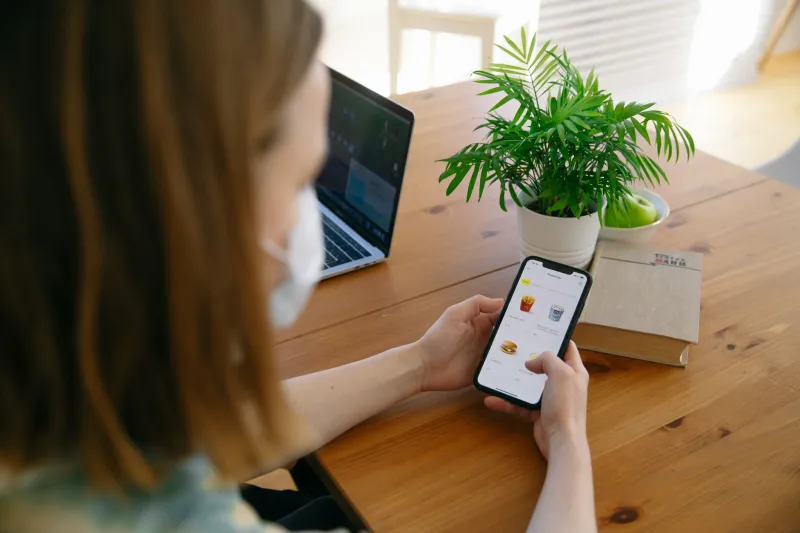
You wake up at 2 a.m. with a dull ache behind your sternum. Before reaching for the phone to call an advice nurse, you open a chatbot. Within seconds, it has generated a list of possible explanations ranging from acid reflux to something far more alarming. By the time morning arrives, you have either reassured yourself unnecessarily or spiraled into a sleepless anxiety loop—neither of which reflects an accurate clinical picture.
This scenario plays out millions of times each week across the United States. A 2023 survey by the American Medical Association found that roughly one in four adults had used an AI-powered health tool or symptom-checker app in the preceding twelve months. The technology is sophisticated, accessible, and—crucially—available at any hour without a copay. Yet the gap between what these tools appear to offer and what they can reliably deliver remains wide, and patients who do not understand that gap may be placing their health at genuine risk.
What AI Health Tools Actually Do
At their core, most AI health applications—whether standalone symptom checkers, general-purpose large language models like ChatGPT, or purpose-built medical chatbots—operate by matching user-reported information against large datasets of clinical literature, diagnostic codes, or curated medical content. When you describe chest tightness and shortness of breath, the algorithm searches for statistical associations between those inputs and documented conditions.
The result is not a diagnosis. It is a probabilistic ranking of possibilities, filtered through whatever training data the system was built on. That distinction matters enormously. A licensed physician weighing the same symptoms would also consider your age, family history, medications, physical examination findings, vital signs, and the subtle clinical intuition developed over years of patient encounters. No current AI tool has access to most of those variables—and several of them simply cannot be digitized.
Where the Evidence Actually Stands
Researchers have subjected popular symptom-checker applications to rigorous testing, and the results are instructive. A widely cited study published in the BMJ evaluated 23 symptom-checker apps and found that the correct diagnosis appeared in the top three suggestions only about 51 percent of the time. For serious, time-sensitive conditions—heart attack, pulmonary embolism, appendicitis—accuracy dropped further still.
Large language models present a more nuanced picture. Several independent evaluations have shown that tools like GPT-4 can perform comparably to medical students on standardized licensing exam questions. That sounds impressive until you recognize what it actually means: passing a written test is a fundamentally different cognitive task than correctly interpreting an individual patient's unique constellation of symptoms in real time. Medical boards test knowledge recall; clinical diagnosis requires integrative judgment applied to incomplete, ambiguous, and sometimes contradictory information.
Moreover, AI systems are only as current as their training data. A chatbot trained on literature through a specific cutoff date will not reflect newly identified drug interactions, emerging infectious disease patterns, or recently updated clinical guidelines—all of which can directly affect the accuracy of any health-related response it generates.
The Regulatory Blind Spot
Americans generally assume that health products available in the marketplace have undergone meaningful federal oversight. With AI health tools, that assumption warrants scrutiny. The Food and Drug Administration does regulate certain software functions as medical devices, and a growing number of AI-assisted diagnostic tools—particularly those used in radiology or pathology—have received FDA clearance or approval.
However, general-purpose chatbots and consumer-facing symptom checkers occupy a murkier regulatory space. Many are classified as wellness tools rather than medical devices, a distinction that exempts them from the clinical validation requirements applied to FDA-cleared software. This means that a product marketed to help users understand their symptoms may have undergone no independent accuracy testing whatsoever before reaching the App Store or Google Play.
Patients browsing health apps have no reliable way to distinguish between a tool built on peer-reviewed clinical data and one assembled from unverified internet sources. The interface may look identical; the underlying reliability almost certainly is not.
The False Confidence Problem
Perhaps the most consequential risk associated with AI health tools is not the alarming misdiagnosis—it is the falsely reassuring one. When a symptom checker concludes that your persistent fatigue is most likely stress-related, and you accept that conclusion without seeking professional evaluation, you may be delaying the identification of anemia, thyroid dysfunction, or early-stage malignancy. The app bears no legal or ethical accountability for that delay. You do.
This dynamic is compounded by what behavioral researchers call automation bias: the well-documented human tendency to defer to algorithmic outputs even when those outputs conflict with our own judgment or lived experience. When a sophisticated-seeming technology tells us something, we are psychologically inclined to believe it. That inclination, left unchecked, can suppress the instinct to seek a second—human—opinion.
When These Tools Genuinely Add Value
A measured assessment of AI health tools requires acknowledging where they do provide legitimate benefit. As a first-pass triage mechanism, a well-designed symptom checker can help patients determine whether a symptom warrants an emergency room visit, an urgent care appointment, or a watchful waiting approach. For individuals in rural areas with limited access to primary care providers, or for patients navigating the days-long wait for an available appointment, having a structured framework for evaluating symptoms is meaningfully better than nothing.
AI tools also demonstrate real utility in health education—explaining what a newly received diagnosis means, clarifying medication instructions, or helping patients formulate questions before a clinical appointment. Used in this informational capacity, rather than as a substitute for professional assessment, they align with what informed patient care should look like.
The critical distinction is between using AI as a supplement to clinical care and using it as a replacement. The former can be empowering. The latter carries risks that the technology's polished presentation tends to obscure.
A Framework for Informed Use
Patients who choose to consult AI health tools benefit from approaching them with the same critical literacy they would apply to any health information source. Several questions are worth asking before acting on any algorithmically generated health guidance:
- Who built this tool, and on what data? Reputable applications will disclose their clinical sources and any FDA regulatory status. Vague or absent disclosures are a meaningful warning sign.
- Is this tool providing information or attempting to diagnose? The former is appropriate for a digital platform; the latter requires a licensed clinician.
- Does the output align with my own sense of my body? Automation bias is real. If a chatbot's reassurance conflicts with a persistent instinct that something is wrong, that instinct deserves professional attention.
- Am I using this to prepare for a clinical conversation, or to avoid one? The answer to that question largely determines whether the tool is serving your health or potentially undermining it.
The Bottom Line
AI-powered health tools represent a genuine technological advancement with meaningful potential to expand access to health information. They are not, however, diagnostic instruments in any clinically validated sense—and the regulatory framework governing most consumer-facing applications does not require them to be.
For the informed patient, the most useful posture is neither uncritical enthusiasm nor reflexive dismissal. These tools can help you think more clearly about your symptoms and engage more productively with your healthcare provider. What they cannot do is replace the irreplaceable: the trained clinician who examines you, knows your history, and exercises the kind of judgment that no algorithm has yet been built to replicate.